Question: How do Ko-no-hana木花 and Ko-no-hana兄花 differ?
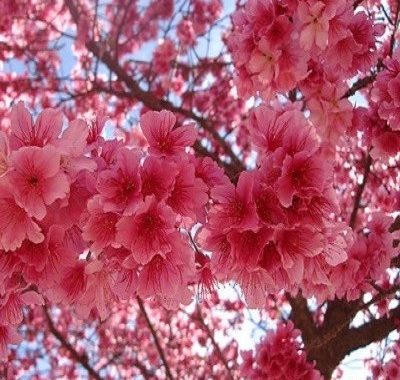
Meishu-Sama: In terms of flowers, “Ki”-no-hana木花 means cherry blossoms, and “Ani”-no-hana兄花 are plum blossoms. Both represent Kannon, but “Ki”-no-hana is the Kannon of the Buddhist world and “Ani”-no-hana is the Kannon of the divine world. The plum blooms first in the spring, so they are the ani, the elder brother. In common Japanese conversation, referring to “flowers” usually means “cherry blossoms.”
Record of Enlightening Talks, Issue 1
December 8, 1948